
The Critical Window That Shapes Lifelong Health
The first 1,000 days of life, spanning from conception to a child’s second birthday, constitute a critical, one-time window that defines long-term health, cognitive development, and physical growth. This period includes approximately 270 days of pregnancy, 365 days in the first year, and 365 days in the second year, during which rapid brain development and nutritional needs are paramount. During this time, a baby’s brain develops faster than at any other stage of life, vital organs mature, and the immune system begins to learn how to protect the body. The care, nutrition, and health monitoring provided during this period not only affect childhood but also determine health outcomes throughout adulthood.
Why This Golden Window Is Crucial for Early Childhood Development
The journey of human life is an extraordinary process filled with growth, learning, and experiences. Yet before the first step is taken, before the first word is spoken, or before the first day of school begins, there is a critical period so important that it shapes the foundation of a person’s health and potential. In line with the guidelines of the Ministry Of Health (MOH), the first 1000 days of life represent a critical phase that significantly influences physical growth, brain development, and long-term health outcomes. This period is not merely the passage of time—it is a once-in-a-lifetime opportunity to build the foundation for lifelong health, cognitive ability, and emotional stability.

Global Recognition and Sustainable Development Goals
The importance of this period is so profound that it has become a global priority under the Sustainable Development Goals established by the United Nations, particularly SDG 2: Zero Hunger and SDG 3: Good Health and Well-Being. By focusing on the first 1000 days, we are not only investing in the future of a child but also contributing to a healthier, more prosperous, and sustainable world.
How Rapid Brain Development Shapes a Child’s Future
The first 1000 days are often referred to as the “golden window of opportunity” due to the rapid rate of development that occurs during this time. According to the MOH, early childhood is a period of rapid brain growth, and adequate nutrition plays a crucial role in supporting this development. For example, a newborn’s brain is approximately 25% the size of an adult brain. By the age of three, it reaches nearly 80% of its adult size. This rapid growth forms the foundation for learning, behavior, and lifelong health. During this period, more than one million neural connections are formed every second. These connections support future cognitive, emotional, and social abilities. The quality of a child’s environment—including proper nutrition, safe surroundings, responsive caregiving, and stimulating interaction—plays a critical role in strengthening these connections.

The Long-Term Risks of Inadequate Care During the First 1000 Days
Conversely, inadequate nutrition, chronic stress, or insufficient healthcare during this period may result in serious long-term consequences. These include stunted growth, where children do not reach their optimal height; a weakened immune system, increasing susceptibility to infections; impaired cognitive development, affecting learning and academic performance; and a higher risk of chronic diseases, including obesity, diabetes, heart disease, and hypertension later in life.
The MOH emphasizes that nutritional deficiencies during the first 1000 days can have lasting impacts on a child’s health and development. This is why proper child nutrition must be prioritized from the very beginning.
The Essential Role of Maternal Health and Pregnancy Care
The first 1000 days begin during pregnancy. A mother’s health directly influences the health and development of her baby. A healthy pregnancy provides the optimal environment for fetal growth. The MOH highlights the importance of quality antenatal care to ensure maternal well-being and optimal fetal development. Proper antenatal care includes regular pregnancy check-ups and ultrasound screening, monitoring fetal growth and development, early detection of complications such as hypertension or gestational diabetes, management of existing maternal medical conditions, and support for maternal mental health. Regular monitoring helps ensure a safe pregnancy and supports healthy fetal development, aligning with SDG 3’s goal of ensuring healthy lives and promoting well-being for all.
Digital Tools to Support Your Pregnancy Journey
To make this journey smoother, platforms like Flabee have emerged as a mummy’s must-have companion. From pregnancy tracking to baby care, Flabee is an all-in-one support platform that helps parents navigate this critical period with confidence. Its Flabee Care App includes features like a period calendar and appointment booking, making it easier for mothers to manage their health schedules. This digital support ensures that no important check-up or milestone is missed during the precious 1000-day window.

Why Nutrition Is the Cornerstone of Healthy Growth
Nutrition is one of the most critical factors in ensuring optimal development during the first 1000 days. According to national nutrition guidelines, a balanced diet during pregnancy is essential to support fetal growth and maternal health. During pregnancy, maternal nutrition directly affects fetal development. Essential nutrients include folic acid for brain and spinal cord development, iron to support oxygen transport to the baby, calcium for bone and teeth development, protein for tissue and cell growth, and iodine for brain development. Focusing on child nutrition means ensuring that both mother and baby receive these essential nutrients at every stage.
Infant Feeding Guidelines: From Breastfeeding to Complementary Foods
After birth, the MOH recommends exclusive breastfeeding for the first six months of life, followed by continued breastfeeding alongside complementary feeding until at least two years of age. From 0 to 6 months, breast milk provides complete nutrition, immune protection against infections, and strong emotional bonding between mother and baby. During the 6 to 24 months phase, as the baby grows, additional foods are needed, including iron- and protein-rich foods, fruits and vegetables, and a balanced and varied diet. Proper child nutrition during this phase helps prevent malnutrition and supports healthy growth and development.

Trusted Sources for Baby Food and Nutrition Products
For busy parents, finding the right nutrition products is key to supporting optimal child nutrition. Flabee’s Online Store offers over 500 trusted baby food and snack options, while their Physical Store (Flabee Mart) provides ready-to-eat baby food, ensuring that quality nutrition is always within reach. They also offer guidance through resources like their blog on infant nutrition, helping parents make informed choices about complementary feeding and balanced diets for their growing children.
The Importance of Growth and Development Monitoring
Regular health monitoring ensures that babies develop normally. The MOH recommends routine growth and developmental monitoring to ensure optimal physical and cognitive development and early detection of potential health concerns. This includes measuring weight, length, and head circumference; monitoring motor and cognitive milestones; regular health check-ups; and postnatal maternal health monitoring. Early detection allows timely intervention when necessary, preventing minor concerns from becoming major developmental delays.
How Ultrasound Screening Supports Healthy Pregnancy Monitoring
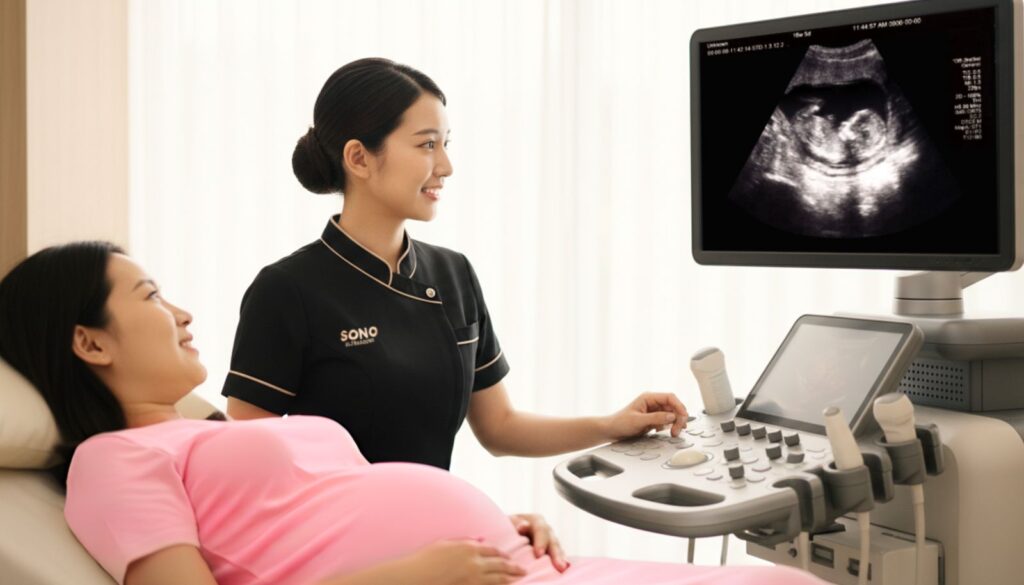
At Sonobee Ultrasound, we are committed to supporting maternal health and fetal development through safe, non-invasive ultrasound screening services aligned with national healthcare guidelines. As Malaysia’s most accessible ultrasound screening network, with 61 locations nationwide, Sonobee makes health screening simple, comfortable, and easy to access for all parents. Ultrasound screening plays an important role during the first 1000 days by helping to monitor fetal development, confirm gestational age, and support ongoing pregnancy monitoring. Early screening and consistent monitoring allow mothers to gain valuable insights into their baby’s development and make informed decisions throughout pregnancy.
Advanced Pregnancy Scans and Digital Health Solutions
Our services are designed with modern parents in mind. From early pregnancy to 5D scans, Sonobee offers a welcoming space with certified female sonographers for enhanced privacy and comfort. The experience is further enhanced by the Flabee Care App, which provides scan reminders, pregnancy tracking, and digital access to all ultrasound images and reports—creating a seamless, paperless record of your baby’s development. For added convenience, Sonobee also offers home visit scans in Klang Valley and corporate wellness programs that are HRDF claimable. These services ensure that quality pregnancy care is accessible to every Malaysian family.
Building the Future of Maternal Health Through AI Innovation
As part of our long-term commitment to advancing maternal and child health, Sonobee Ultrasound is proud to be part of an initiative to create one of the largest fast-growing AI-enabled private maternal datasets in Southeast Asia. By turning real pregnancy journeys into AI-powered longitudinal insights, we aim to contribute to better predictive care, personalized health recommendations, and improved outcomes for mothers and babies across the region. This innovative approach aligns with our mission to support healthier generations through technology and compassionate care.
The Long-Term Benefits of Investing in the First 1000 Days
Children who receive proper care and nutrition during this critical period are more likely to grow into healthier adults, achieve better academic performance, have lower risk of chronic diseases, enjoy higher productivity and quality of life, and contribute positively to society. This aligns with national public health goals of ensuring every child reaches their full growth and developmental potential. The investment made in child nutrition and healthcare during these 1000 days pays dividends for a lifetime—for the individual, their family, and the nation.

Supporting Global Goals Through Maternal and Child Health
Focusing on the first 1000 days directly contributes to SDG 2: Zero Hunger by ensuring adequate nutrition for mothers and babies, preventing malnutrition, and supporting healthy growth. It also advances SDG 3: Good Health and Well-Being by promoting maternal and child healthcare, supporting early health monitoring, and improving long-term health outcomes. Good health begins with proper child nutrition—especially during the first 1000 days—and these global goals remind us that every child deserves a healthy start.
Frequently Asked Questions About the First 1000 Days of Life
1. What exactly are the first 1000 days of life?
The first 1000 days refer to the period from conception to a child’s second birthday. This includes approximately 270 days of pregnancy, plus the first 365 days of life (year one), and the next 365 days (year two). It is considered a critical window for establishing lifelong health, cognitive development, and physical growth.
2. Why are the first 1000 days so important for my baby’s development?
During this period, your baby’s brain develops faster than at any other time in life—more than one million neural connections are formed every second. Proper nutrition and care during this window lay the foundation for learning, behavior, and long-term health outcomes throughout adulthood.
3. What role does maternal health play during the first 1000 days?
Maternal health is the foundation of the first 1000 days. A mother’s nutrition, mental well-being, and access to quality healthcare directly influence fetal development. Regular antenatal check-ups, including ultrasound screening, help monitor baby’s growth and detect any potential complications early.
4. How can I track my pregnancy and baby’s development easily?
Digital tools like the Flabee Care App (available through Flabee ) help you track your pregnancy, schedule appointments, set scan reminders, and store all your ultrasound images and reports in one secure, paperless place.
5. What nutrition does my baby need during the first 1000 days?
During pregnancy, mothers need folic acid, iron, calcium, protein, and iodine. After birth, the MOH recommends exclusive breastfeeding for the first six months, followed by complementary feeding with iron- and protein-rich foods, fruits, and vegetables while continuing breastfeeding until at least two years of age.
6. Where can I find trusted baby food and nutrition products?
Flabee’s Online Store offers over 500 trusted baby food and snack options, while their Physical Store (Flabee Mart) provides ready-to-eat baby food. These trusted sources make it easy for busy parents to access quality nutrition products.
7. How often should I monitor my baby’s growth and development?
The MOH recommends routine growth and developmental monitoring at regular health check-ups. This includes measuring weight, length, and head circumference, as well as tracking motor and cognitive milestones to ensure optimal development and early detection of any concerns.
8. Is ultrasound screening safe during pregnancy?
Yes, ultrasound is completely safe, non-invasive, and commonly used throughout pregnancy for fetal monitoring. At Sonobee Ultrasound, certified sonographers use modern technology to provide clear, meaningful visuals of your baby’s development across 61 locations nationwide.
9. Can I get an ultrasound scan without a doctor’s referral?
Yes, at Sonobee Ultrasound, no referral is required. You can book directly online or via WhatsApp. Services range from early pregnancy scans to advanced 5D imaging, with options for radiologist reports and digital access via the Flabee Care App.
10. What are the long-term benefits of investing in the first 1000 days?
Children who receive proper nutrition, healthcare, and stimulation during this critical period are more likely to grow into healthier adults, achieve better academic performance, have lower risk of chronic diseases like obesity and diabetes, and contribute positively to society. Investing in the first 1000 days means investing in a child’s full potential.
Conclusion: Building a Healthier Future for Malaysian Children
The first 1000 days of life represent a short yet profoundly important period. It forms the foundation for lifelong health, development, and well-being. In accordance with the MOH‘s guidelines, maternal healthcare, adequate nutrition, and regular growth monitoring are essential factors in ensuring optimal child nutrition and development. By prioritizing maternal health, proper nutrition, and consistent health monitoring—with support from trusted partners like Flabee for nutrition and parenting tools, and Sonobee Ultrasound for professional pregnancy scanning—we not only help build healthier individuals but also contribute to a healthier society and future. Investing in the first 1000 days means investing in the full potential of every child through proper child nutrition and care, supporting the achievement of SDG 2 and SDG 3, and ensuring every Malaysian child has the opportunity to thrive.
Official References from the MOH
This article aligns with official recommendations and guidelines from the MOH regarding maternal healthcare, nutrition, and child growth monitoring during the first 1000 days of life.
Key references include:
- Ministry of Health Malaysia. Manual: First 1000 Days of Life – This official manual explains the importance of nutrition, healthcare, and growth monitoring from pregnancy until two years of age to ensure optimal development. Manual 1000 Hari Pertama Kehidupan Anak Apa Ibubapa Dan Penjaga Perlu Tahu | Kementerian Kesihatan Malaysia 2023
- Ministry of Health Malaysia, Nutrition Division. Maternal, Infant and Young Child Nutrition – Official guidelines on maternal nutrition, exclusive breastfeeding for six months, and complementary feeding until two years of age. Cawangan Pemakanan Keluarga | Fungsi Pemakanan Keluarga | Kementerian Kesihatan Malaysia Bahagian Pemakanan
- Ministry of Health Malaysia. Nutrition Guidelines for Pregnant Women – Provides guidance on balanced nutrition during pregnancy to support maternal health and fetal development. Garis Panduan Demonstrasi Masakan Makanan Ibu Hamil, Selepas Bersalin Dan Menyusu | Kementerian Kesihatan Malaysia Bahagian Pemakanan
Disclaimer
This information is intended for health education and awareness purposes only. It is not intended to replace professional medical advice, diagnosis, or treatment. Please consult a qualified healthcare professional for personalized medical advice.