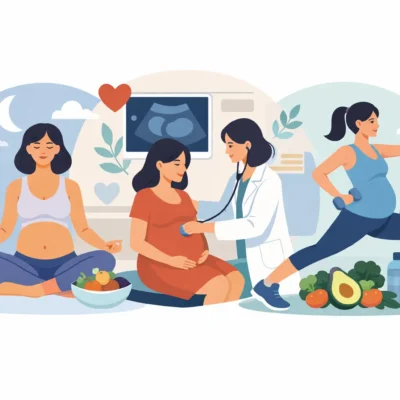
A pregnancy app comparison is not really about finding the app with the prettiest weekly fruit-size image. It is about finding support that still feels useful when you are tired, managing appointments, wondering whether a symptom is normal, or trying to remember the last time you felt baby move. The right app can bring order to a very full season. The wrong one can become another notification you ignore.
For many expecting moms, the best choice depends on where support is needed most: pregnancy tracking, reliable education, care coordination, emotional reassurance, shopping for essentials, or help after baby arrives. Here is how to compare pregnancy apps with your real daily life in mind.
Pregnancy App Comparison: Start With Your Needs
Before comparing features, think about the point in your journey where you need the most help. A first-time mom may want week-by-week explanations and a place to track questions for her provider. A parent who has been pregnant before may care more about appointment reminders, kick counts, or organizing a growing list of baby essentials.
It also helps to look beyond your due date. Pregnancy is only one stage of the transition into motherhood. If you want support for recovery, feeding, newborn routines, and replenishing household basics, an app built only around pregnancy education may feel limited once baby is here.
A useful app should make one or two important parts of your day easier. It does not need to do everything perfectly. It does need to fit the way you prefer to plan, learn, and ask for support.
Compare the Features That Matter Most
Pregnancy tracking that feels clear, not cluttered
Most pregnancy apps offer due-date countdowns, weekly fetal development updates, symptom logs, weight tracking, and appointment reminders. These basics can be helpful, especially when information is presented in a calm, easy-to-read way.
Look closely at what you can record and retrieve later. Can you add notes for a prenatal visit? Can you spot patterns in symptoms without trying to interpret every small change? Is there a kick tracker available when your provider recommends monitoring movement? A well-designed tracker gives you a simple record to discuss with your care team. It should never make you feel pressured to diagnose yourself.
More tracking is not always better. If detailed daily logging makes you anxious, choose an app that lets you use only the tools that serve you. If data helps you feel prepared, a more detailed dashboard may be a better fit.
Education with context and healthy boundaries
Pregnancy brings questions that do not always wait for an appointment: Is this cramp expected? What should I pack for the hospital? When should I start thinking about feeding? Educational content can offer reassurance and help you prepare thoughtful questions for your provider.
The strongest apps separate general education from personal medical advice. They explain common changes by trimester, encourage appropriate prenatal care, and make it clear when urgent symptoms require professional attention. Be cautious of content that sounds overly certain about individual symptoms or makes broad promises about pregnancy outcomes.
Consider the tone, too. Some apps use lots of playful commentary, while others are more clinical. Neither approach is automatically better. The best choice is the one that helps you feel informed without making pregnancy feel like a daily test you can fail.
Care access beyond the screen
A tracker is valuable, but real-world support can be even more valuable. Some platforms focus entirely on digital information. Others connect parents with services such as prenatal wellness, postpartum recovery support, lactation guidance, or appointment booking.
This is where an all-in-one model can reduce friction. Instead of reading about prenatal massage and then searching elsewhere for a trusted provider, you may prefer a platform that helps you find and arrange care in the same place. Flabee is designed around this wider kind of support, bringing tracking, maternal wellness services, and baby essentials into one motherhood-focused experience.
Availability matters here. In-person services can vary by location, so check whether the app clearly explains what is offered near you and how booking works. If you already have an established OB-GYN, midwife, or pediatrician, think of app-based care tools as a complement to that relationship, not a replacement.
Baby essentials and practical shopping support
By the middle of pregnancy, many parents are balancing health questions with practical ones: Which snacks are easy to keep on hand? What feeding items will we actually use? How can we avoid last-minute shopping when baby arrives?
Some apps offer checklists only. Others combine guidance with access to curated products for pregnancy, postpartum recovery, infant feeding, and early baby care. This can be genuinely useful for time-constrained families, provided the product selection feels thoughtful rather than pushy.
When comparing commerce features, look for clear product details, straightforward ordering, and items that match your stage of parenting. A platform should help you make fewer, better decisions, not turn every concern into a sales opportunity.
Privacy, notifications, and account sharing
Pregnancy information is personal. Review an app’s privacy settings before entering health details, especially if you plan to track symptoms, appointments, or fertility information. Understand whether you can delete data, control marketing messages, and decide what is shared with a partner or family member.
Notification settings deserve a quick check as well. Reminders can be wonderful for supplements, appointments, and hydration. But constant alerts can become stressful, particularly when you are already receiving messages from work, family, and health providers. Choose an app that lets you customize the frequency and type of notifications.
Account sharing is another small feature with a big impact. Some parents appreciate giving a partner access to baby updates and checklists. Others want a private space for their own notes and symptoms. There is no single right choice, but the app should let you set boundaries that feel comfortable.
A Simple Way to Compare Your Options
Rather than downloading several apps and trying to use all of them at once, compare each option against the same questions. Does it support your current pregnancy stage? Is the information easy to understand? Can it help you take action, such as tracking movement, booking a service, or preparing for a provider visit? Will it still be useful during the first weeks after birth?
You can also give each app a quick score from one to five in these areas: tracking, education, care access, product convenience, privacy controls, and postpartum value. An app with fewer features may still win if it handles your top priorities well.
Be honest about your capacity. If you are managing nausea, work, older children, or a complicated schedule, a simple app you open regularly is more helpful than a feature-packed app that feels like homework. The goal is not to collect more data. It is to feel more supported and prepared.
Choose Support for the Whole Transition
The best pregnancy app often changes as pregnancy changes. In the first trimester, you may want gentle guidance and appointment organization. Later, kick tracking and birth preparation may matter more. After delivery, recovery support, feeding guidance, and easy access to baby essentials can quickly become the priorities.
That is why it is worth choosing a platform with room to grow alongside your family. Look for care that respects your questions, tools that simplify your routines, and guidance that helps you feel capable without adding pressure. Motherhood asks a lot of you. Your everyday support should give something back.