Your due date can feel far away, yet pregnancy often moves in fast, memorable increments: the first positive test, the first ultrasound, the first flutter, the week you finally need a larger bra. Learning how to track pregnancy weekly gives those changes a calm, useful place to land. The goal is not to monitor every sensation or compare your body to someone else’s. It is to notice patterns, prepare for care, and feel more connected to the pregnancy you are carrying.
A good weekly routine should take only a few minutes. It can help you arrive at appointments with clearer questions, recognize when something needs a call to your provider, and make room for the practical details that matter to your family.
Start With Your Pregnancy Week and Due Date
Pregnancy is usually counted from the first day of your last menstrual period, not from conception. This is why you may be considered four weeks pregnant before you have even missed a period. Your clinician may adjust your estimated due date after an early ultrasound, especially if your cycle length is different from the average.
Once you have a confirmed due date, write down your current week and the date you enter the next one. This becomes the anchor for all your tracking. A pregnancy week runs from 0 weeks, 0 days through 0 weeks, 6 days, then moves to the next week. Keeping that distinction in mind can make appointment notes and test timing easier to understand.
Try not to treat the due date as a deadline. Only a small number of babies arrive on that exact day. Think of it as a planning estimate that helps your care team follow growth, screening windows, and prenatal milestones.
How to Track Pregnancy Weekly With a Simple Check-In
The most sustainable method is a short weekly check-in on the same day each week. Some moms choose the day their week changes, while others choose Sunday evening, when they are organizing the week ahead. Use a notebook, a phone note, or a pregnancy tracking tool – whichever you will actually return to.
Record how you have felt physically. You do not need a long diary entry. A few clear details are more useful: nausea was better in the morning but worse after dinner; headaches happened twice; lower back discomfort began after a long shift; sleep was difficult because of heartburn. Include anything that seems new, persistent, severe, or different from your usual pregnancy symptoms.
Then make a brief note about your emotional well-being. Pregnancy can bring excitement, worry, irritability, relief, and many other feelings in the same week. Tracking your mood is not about judging yourself. It can help you notice if anxiety, sadness, panic, or exhaustion is becoming hard to manage, which is a valuable conversation to have with your prenatal provider.
Finally, add one practical note: an appointment to schedule, a prenatal class to consider, a product you need, or a question for your next visit. This small habit prevents mental clutter from building up.
Keep a Running List of Questions
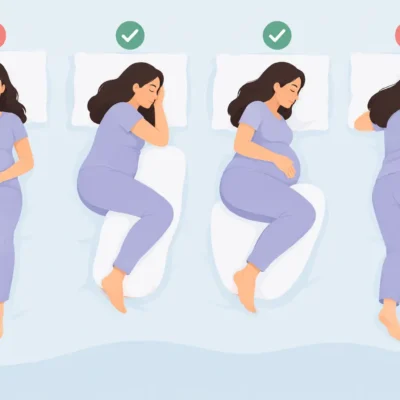
Questions often appear at inconvenient times, then vanish in the exam room. Keep one ongoing list rather than relying on memory. You might ask about safe exercise, travel plans, medication, sleep positions, birth preferences, pelvic discomfort, or what symptoms are expected at your stage.
There is no need to wait until an appointment for urgent concerns. If something worries you, call your obstetrician, midwife, or labor and delivery unit. Your tracking notes support medical care, but they do not replace it.
Track Symptoms for Patterns, Not Perfection
Symptoms can change from day to day, and not every pregnancy follows the same pattern. Nausea may fade at the end of the first trimester, or linger longer. Energy may return for a while, then disappear again. Some people feel strong stretching sensations as the uterus grows; others barely notice them.
A weekly record can be especially helpful for sleep, nausea, vomiting, constipation, heartburn, swelling, headaches, fatigue, pelvic pressure, and pain. Note what improves or worsens a symptom, such as certain foods, hydration, activity, rest, or time of day. This gives you useful details to share with your care team.
Avoid measuring the health of your pregnancy by the number or intensity of symptoms. A quieter week does not automatically mean a problem, and a difficult week does not mean you are doing anything wrong. Your provider’s examinations, testing, and individualized advice carry more weight than internet comparisons.
Contact your provider promptly for heavy bleeding, fluid leaking from the vagina, severe or persistent abdominal pain, severe headache, vision changes, chest pain, trouble breathing, fainting, fever, or swelling that comes on suddenly. Later in pregnancy, call if you notice a significant decrease or change in your baby’s usual movement pattern. When in doubt, it is always appropriate to ask.
Follow Baby’s Development, but Stay Grounded
Weekly development updates can make pregnancy feel wonderfully real. You may learn when major organs are forming, when hearing develops, or when your baby begins gaining more fat. These updates are best used as a gentle connection point, not as a measurement of your baby’s exact size or progress.
Growth comparisons using fruits or everyday objects are fun, but they are not clinical measurements. Babies grow at different rates, and ultrasounds also have limits. If your provider has concerns about growth, they will explain which measurements matter and what follow-up is needed.
Consider adding one sentence each week about your connection with baby. It might be a note about hearing a heartbeat, seeing an ultrasound image, noticing movement, or simply imagining life after birth. Those notes can become a meaningful record of this season.
Know When to Begin Tracking Movement
Many pregnant people begin feeling movement between about 16 and 22 weeks, though timing varies. First pregnancies, placenta position, and individual body differences can all affect when flutters become noticeable. Early movement may feel like bubbles, tapping, or a tiny flutter rather than a clear kick.
As pregnancy progresses, your care team may recommend tracking kick counts or paying closer attention to your baby’s daily pattern. Follow the method they give you, because recommendations can differ based on your health history and stage of pregnancy. What matters most is knowing what is normal for your baby and speaking up when that pattern changes.
Organize Care Week by Week
Pregnancy tracking works best when it includes your care plan, not only symptoms and baby updates. Add upcoming appointments, lab tests, ultrasounds, and recommended vaccines to your calendar as soon as they are scheduled. Before each visit, review your notes and bring your top questions.
You can also use each trimester to prepare gradually. In the first trimester, focus on establishing prenatal care, reviewing medications, and managing early symptoms. In the second, many families start thinking about prenatal classes, childbirth preferences, and baby essentials. In the third, it may be helpful to plan transportation, pack for the hospital or birth center, arrange postpartum support, and learn the signs of labor.
The right pace depends on your energy, budget, support system, and pregnancy needs. There is no prize for having every item purchased months ahead. Prioritize essentials and support that will make daily life easier, especially during recovery.
Make Space for Your Own Care
Weekly tracking should include you as a whole person, not only the pregnancy. Add a realistic self-care check-in: Did you drink enough water? Have meals been manageable? Did you rest when you could? Do you need help with errands, childcare, work demands, or emotional support?
For many moms, care becomes easier when it is organized in one place. Flabee is designed as an all-in-one support platform for parents, bringing pregnancy tools, maternal wellness services, and practical baby essentials closer to the routines families already manage.
Small choices count. A prenatal massage approved by your care provider may help with tension for some people. A short walk, a refillable water bottle, an earlier bedtime, or asking someone else to handle dinner may be the more helpful choice on another week. Let your body and care plan guide the decision.
Keep Your Weekly Record Gentle and Useful
The best tracker is not the most detailed one. It is the one that helps you feel informed without making you anxious. If daily logging starts to feel like another obligation, scale back to a weekly check-in and a questions list. If you enjoy photos, bump updates, or writing letters to your baby, add them because they bring you joy, not because you feel pressured to document every milestone.
Pregnancy asks a lot of your body and your attention. A few thoughtful notes each week can help you spot what you need, communicate clearly with your care team, and remember that you deserve support at every stage.