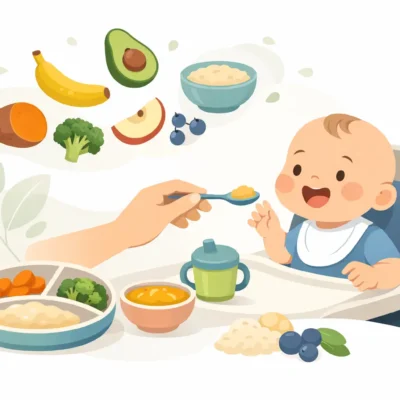
A snack aisle can make a simple question feel surprisingly big. Pouches, puffs, melts, crackers, fruit bars, and toddler treats all promise convenience, but not every package is right for every stage. Learning how to choose baby snacks starts with looking beyond the front label and focusing on your child’s age, feeding skills, and everyday nutrition.
For babies, snacks are not meant to replace balanced meals, breast milk, or formula. They are small opportunities to practice chewing, explore flavors, and bridge hunger between meals as your little one grows. The best choice is usually the one that is safe, simple, and realistic for your family’s routine.
Start With Your Baby’s Development, Not the Package Age
Package age ranges can be useful, but they are only a starting point. Babies develop eating skills at different speeds. Before offering a snack, consider whether your child can sit upright with steady head control, bring food to their mouth, and manage soft textures without frequent coughing or gagging.
For many babies, snacks become more relevant once complementary foods are established, often around 6 months. At this stage, soft foods are usually more useful than dry, crunchy products. A ripe banana strip, soft avocado, plain yogurt, or well-cooked sweet potato can offer nutrition while helping a baby learn how food feels in the mouth.
As your child develops a pincer grasp – the ability to pick up small pieces with thumb and finger – they may be ready to practice with appropriately sized soft finger foods. Older babies and toddlers can handle more variety, but safety and supervision still matter more than what the label calls a “toddler snack.”
If your baby was born prematurely, has difficulty swallowing, has low muscle tone, or has had feeding concerns, ask your pediatrician or feeding specialist for personalized guidance. Developmental readiness is more meaningful than a birthday alone.
How to Choose Baby Snacks That Support Real Nutrition
A convenient snack can fit into a healthy routine, but it should add something valuable. Look first at the ingredient list. In general, shorter lists with recognizable foods are easier to assess. Fruit, vegetables, whole grains, beans, dairy, and nut or seed butters can all have a place, depending on your child’s age and individual needs.
Be mindful of snacks that are mostly refined starch or sweeteners. A product may say “made with real fruit” while still containing concentrated fruit puree, juice, or added sugar as its main source of flavor. Fruit is nutritious, but babies do not need sweet foods to be their default snack experience. Offering savory and less-sweet options early can help build a wider range of accepted flavors over time.
For babies under 12 months, avoid added sugar whenever possible. There is no need for honey before age 1 because of the risk of infant botulism. Also check sodium, especially in crackers, savory puffs, and processed snack cups. Babies need very little added salt, and small portions can add up across the day.
Nutrition is not only about what a snack leaves out. As your baby moves through the first year, iron-rich foods become especially valuable because iron stores naturally begin to decrease. Depending on your child’s age and chewing ability, options may include soft shredded meat, mashed beans, iron-fortified cereal, egg, tofu, or thinly spread smooth nut butter on toast fingers. Pairing plant-based iron foods with vitamin C-rich produce, such as strawberries or soft bell pepper strips, can be helpful.
Texture Is a Safety Question
The most nutritious snack is not the right snack if it is difficult to chew or presents a choking risk. Babies and toddlers should always eat sitting upright in a high chair or another stable seat, with a responsible adult close enough to watch. Avoid offering food in the car seat, stroller, while walking, or during active play.
Some foods need to be changed before they are safe. Whole grapes, cherry tomatoes, blueberries, and round sausage pieces should be cut lengthwise into smaller pieces. Cook firm vegetables until soft. Spread sticky foods, including peanut butter, thinly rather than offering a spoonful. Popcorn, whole nuts, hard candy, marshmallows, chunks of cheese, and hard raw apple are common choking hazards for young children.
It also helps to understand the difference between gagging and choking. Gagging can be noisy and is a protective reflex as babies learn to move food around their mouths. Choking may be silent, with difficulty breathing or a change in color, and requires immediate action. Taking an infant and child CPR course can give caregivers confidence well beyond snack time.
Use Packaged Snacks as Helpers, Not the Whole Plan
Packaged baby snacks are not automatically a poor choice. They can be practical for daycare pickup, travel, waiting rooms, and the days when you need one less task. The goal is not perfection. It is having a few reliable options while keeping most food experiences varied.
When comparing products, check the serving size, added sugar, sodium, and texture. A snack that dissolves easily may be appropriate for some babies, while a chewy fruit bar may be better saved for an older toddler. Remember that “organic,” “natural,” or “made for babies” does not automatically mean low in sugar or suitable for your child’s feeding stage.
Pouches can be convenient too, particularly for travel. Still, when every snack comes from a pouch, babies have fewer chances to see, touch, smell, and chew foods. Whenever possible, squeeze puree into a bowl and offer it on a preloaded spoon, or balance pouch use with soft finger foods at home. This keeps convenience without losing the learning that comes from self-feeding.
Build Snacks Around Your Family’s Day
Babies under 1 often need breast milk or formula as their primary source of nutrition, so frequent snacking may not be necessary. If a baby seems hungry between meals, start by considering the timing and fullness of milk feeds. For older babies eating regular meals and toddlers with busy days, a planned snack can prevent intense hunger and make mealtimes calmer.
A satisfying snack often combines more than one food group. Rather than offering only a fruit snack or only a cracker, pair soft fruit with full-fat plain yogurt, toast fingers with mashed avocado, or a small portion of cheese with tender vegetables for an older child. The exact combination depends on age, allergies, appetite, and what your child can safely manage.
Keep portions small. A snack is a pause in the day, not a test of how much your child can eat. Let your baby decide whether and how much to eat from the foods you offer. This responsive approach supports trust around food and takes some pressure off parents.
Introduce Allergens Thoughtfully
Common allergens, including peanut, egg, dairy, wheat, soy, sesame, fish, shellfish, and tree nuts, do not need to be delayed for most babies once they are ready for complementary foods. In fact, early introduction of appropriate forms may be beneficial for many children. The key is offering them safely and intentionally.
Introduce one new allergenic food at a time when your baby is healthy and you can observe them afterward. Use age-safe forms: smooth peanut butter thinned with water or mixed into puree, thoroughly cooked egg, or yogurt for a child who already tolerates dairy. Do not offer whole nuts or thick spoonfuls of nut butter.
Talk with your pediatrician before introducing allergens if your baby has severe eczema, an existing food allergy, or a history that raises concern. Seek urgent care for signs of a serious reaction, such as trouble breathing, repeated vomiting, swelling of the face or lips, widespread hives, or unusual sleepiness.
Make the Choice Easier on Busy Days
You do not need a different snack strategy for every outing. A small rotation of trusted choices makes shopping and packing easier. Keep a few shelf-stable options for your bag, and prepare simple fresh foods at home when you have time. Wash and cut soft fruit, steam vegetables, or portion plain yogurt ahead so the easier choice is ready when hunger appears.
As your child grows, their preferences will change, and that is normal. A snack rejected this week may be welcomed next month. Continue offering variety without pressure, and let safety, developmental readiness, and simple ingredients guide the decision.
Snack time does not have to be another source of second-guessing. With thoughtful choices and a few dependable staples, it can become one more gentle routine where your baby practices independence and feels cared for. Flabee is here to support those everyday parenting decisions with practical guidance and trusted essentials for each new stage.