Pregnancy nausea can make a normal morning routine feel like a major task. If you are wondering how to relieve pregnancy nausea, start with this reassurance: it is common, it is not your fault, and small adjustments often make a meaningful difference. You do not have to push through it alone or wait until you feel miserable to ask your pregnancy care team for help.
Often called morning sickness, nausea can show up at any hour. It commonly begins in the first trimester and may ease by weeks 14 to 20, though every pregnancy follows its own timeline. Some parents feel queasy without vomiting, while others find that smells, an empty stomach, or certain foods bring symptoms on quickly.
How to relieve pregnancy nausea with everyday routines
The goal is not to force yourself into a perfect meal plan. It is to find a few gentle habits that help you keep food and fluids down, protect your energy, and feel more in control of the day.
Avoid an empty stomach
For many expecting moms, nausea gets stronger when the stomach is completely empty. Keep a simple, dry snack by your bed, such as plain crackers, dry cereal, or toast. Eat a few bites before getting up, then give yourself a few minutes to sit before standing.
During the day, smaller meals every two to three hours can be easier than three large meals. Choose what feels tolerable rather than what sounds like the ideal healthy meal at that moment. A piece of toast with nut butter, yogurt, fruit, rice, soup, or a baked potato may be more realistic than a full plate of food.
Protein can help some people feel steadier between meals. Try pairing a carbohydrate with a protein source, such as cheese and crackers, apple slices and nut butter, or yogurt and cereal. If a food that used to be a favorite suddenly turns your stomach, let it go for now. Food aversions are common and usually temporary.
Sip fluids in small amounts
Dehydration can worsen nausea, but drinking a large glass of water quickly may also make you feel sick. Take frequent small sips throughout the day instead. Cold water, ice chips, diluted juice, broth, or an electrolyte drink may go down more easily than room-temperature water.
If plain water is unappealing, add a slice of lemon or try a flavor that does not trigger you. Some people prefer to separate drinking from meals, sipping fluids 20 to 30 minutes before or after eating rather than with food. There is no single rule that works for everyone, so use your symptoms as your guide.
Reduce smell and heat triggers
A heightened sense of smell can make nausea feel impossible to avoid. Cooking odors, perfume, coffee, garbage, and even a partner’s shampoo can suddenly become overwhelming. Fresh air can help, so open a window, use a fan, or step outside for a few minutes when you can.
Cold foods often have less smell than hot foods. A chilled sandwich, yogurt, fruit, smoothie, or pasta salad may be easier to manage than a hot meal. If cooking is a trigger, ask for support with meal prep, choose simple ready-to-eat options, or take a break from cooking duties. This is a practical need, not a failure.
Rest before you are completely worn down
Fatigue and nausea often feed each other. Pregnancy changes your body quickly, and trying to keep up with every usual commitment can leave you feeling worse. Short rest breaks, an earlier bedtime, and a slower morning may reduce the intensity of symptoms.
Stress can also make nausea feel more consuming. A few quiet minutes with slow breathing, a short walk if you feel able, or a shower can help settle your nervous system. These will not erase pregnancy sickness, but they can make a difficult wave more manageable.
Gentle remedies that may help
Certain nonprescription options can be useful, but what is right for you depends on your health history, medications, and how severe your symptoms are. Bring nausea up at your prenatal appointment, even if it seems minor. Your care team can help you create a plan early.
Ginger may ease mild nausea for some pregnant people. Ginger tea, ginger candies, or ginger chews can be convenient options, although the strong flavor is not always welcome when you are already queasy. Peppermint tea or peppermint scent may feel soothing to some people, while others find mint makes heartburn worse.
Acupressure wristbands, which place pressure on a point near the wrist, are another low-risk option worth trying. They do not work for everyone, but they can be helpful when nausea comes in waves, such as during a commute or while shopping.
Vitamin B6 is commonly recommended for pregnancy nausea, and some clinicians may recommend combining it with doxylamine. Do not start supplements or medication based only on a label or a friend’s advice. Ask your obstetrician, midwife, or pharmacist what is appropriate for you, especially if you have other medical conditions or take regular medication.
What to eat when nothing sounds good
There may be days when your usual nutritious choices are simply not possible. In the short term, eating something you can tolerate is often more helpful than pressuring yourself to eat a perfectly balanced diet. Your prenatal vitamin and the foods you manage over the course of a week still matter.
Start with bland, familiar foods and build from there. Dry crackers, plain pasta, rice, bananas, applesauce, oatmeal, potatoes, soup, and toast are common starting points. If you can tolerate more, add protein and nutrient-rich foods gradually.
Try not to judge yourself for relying on beige foods for a while. At the same time, avoid skipping meals for long stretches, since that can worsen nausea. Keep easy snacks in your bag, car, desk, or bedside table so you are not caught hungry when symptoms hit.
When pregnancy nausea needs medical care
Nausea is common, but severe nausea and vomiting deserve prompt attention. Call your pregnancy care team if you cannot keep liquids down for 24 hours, are urinating very little or have very dark urine, feel faint or confused, notice blood in your vomit, have severe abdominal pain, or are losing weight.
You should also reach out if nausea is keeping you from functioning, caring for yourself, working, or sleeping. Hyperemesis gravidarum is a more severe form of pregnancy sickness that can lead to dehydration and nutritional problems. It is treatable, and getting care early can make a real difference.
Do not wait for a scheduled appointment if you are worried. Your provider may suggest medication, hydration support, lab testing, or a different plan based on your symptoms. Pregnancy care is meant to support your whole well-being, not only monitor the baby.
Make a small plan for the next 24 hours
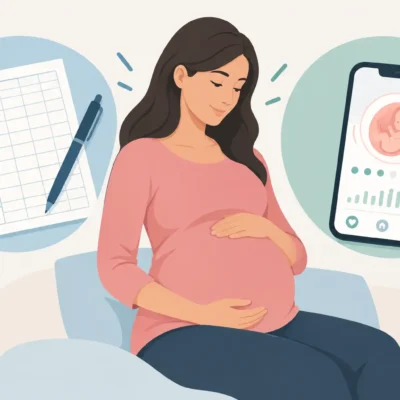
When nausea is relentless, thinking too far ahead can feel exhausting. Focus on a few achievable supports: place a snack by the bed, fill a water bottle, choose one easy meal, and identify one person who can help with a task or cooking. Track what seems to worsen or ease your symptoms, including timing, foods, smells, and vomiting episodes. That record can make conversations with your care team much more useful.
Flabee is here as a mummy’s must-have companion for the everyday moments of pregnancy, from keeping track of how you feel to finding support that fits your changing needs. Be gentle with yourself today. A few sips, a few bites, and the right care can be enough to move through the next wave.