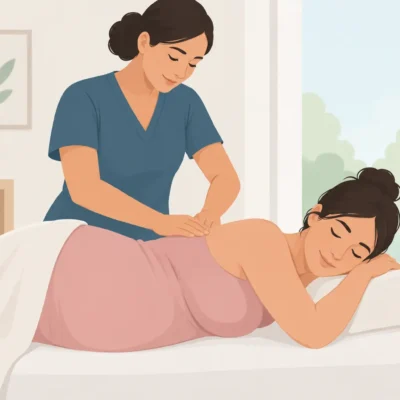
Your lower back is aching by late afternoon, sleep has become a careful arrangement of pillows, and even a short walk can leave your hips feeling tight. A prenatal massage review can help you decide whether booking a session is a worthwhile form of support during pregnancy – and what safe, thoughtful care should actually look like.
For many expecting moms, prenatal massage is not about a luxury afternoon. It is about creating a little more room to rest, move, and feel comfortable in a body doing enormous work. The experience can be deeply calming, but the quality of care matters. The best session is shaped around your stage of pregnancy, your health history, and what feels good to you that day.
What prenatal massage is designed to support
Prenatal massage is adapted massage therapy for pregnancy. It typically focuses on common areas of tension, including the lower back, hips, legs, shoulders, neck, and feet. A trained therapist adjusts positioning, pressure, and techniques so you can rest comfortably and safely as your body changes.
Many moms seek massage for muscle soreness, stiffness, stress, and trouble winding down. Gentle, appropriate touch may help ease everyday discomfort and support relaxation. Some women also find that regular sessions make them more aware of where they are holding tension, whether that is in a raised shoulder, clenched jaw, or tight hip flexor.
The benefit is personal, though. One mom may leave feeling lighter through her hips; another may value an hour without having to manage a to-do list. Massage is supportive care, not a replacement for prenatal medical care, treatment for a pregnancy complication, or a guarantee that every ache will disappear.
Prenatal massage review: what a good session feels like
A quality prenatal massage should feel attentive from the first conversation. Before beginning, the therapist should ask about your due date, any discomfort you are experiencing, medical concerns, recent changes in your pregnancy, and the pressure you prefer. This is not small talk. It helps them tailor the session and identify when you may need guidance from your prenatal care provider first.
Positioning is one of the clearest signs of pregnancy-aware care. Depending on how far along you are and what feels comfortable, you may lie on your side with supportive pillows, recline with your upper body elevated, or use a purpose-built prenatal cushion. A therapist should never make you feel as if discomfort is something you need to tolerate politely. If you feel dizzy, short of breath, overheated, nauseated, or simply uneasy, speak up right away.
Pressure should be responsive rather than fixed. Pregnancy massage does not have to be barely-there touch, but deeper pressure is not automatically better either. Your joints and soft tissues are changing, and an experienced therapist will work slowly, check in often, and avoid pushing through pain. You should leave feeling soothed and comfortably loose, not bruised, sore, or depleted.
A good appointment also respects your boundaries. You should know what areas will be worked on, remain appropriately draped, and be able to decline any technique without explanation. Care is most relaxing when you do not have to wonder whether your comfort is being taken seriously.
The safety questions to ask before you book
Pregnancy is not one-size-fits-all, so the right time for prenatal massage depends on your individual health and your provider’s advice. Some practices welcome clients throughout pregnancy with appropriate modifications. Others prefer to begin after the first trimester. Neither approach alone proves quality; what matters is clear screening, training, and a willingness to coordinate with your care plan.
Talk with your OB-GYN, midwife, or prenatal care team before booking if you have a high-risk pregnancy, high blood pressure, preeclampsia concerns, bleeding, placenta-related concerns, a history of blood clots, severe swelling, severe headaches, sudden pain, or any symptom that feels unusual. A responsible massage provider will welcome that conversation rather than minimizing it.
Ask the massage provider directly whether the therapist has prenatal-specific education and how they adapt sessions by trimester. You can also ask about their intake process, positioning options, cancellation policy if pregnancy symptoms change suddenly, and whether they are comfortable working alongside your medical guidance.
It is wise to pause and seek medical advice instead of scheduling a massage if you have new vaginal bleeding, fluid leakage, chest pain, difficulty breathing, one-sided leg swelling or pain, severe abdominal pain, or a sudden severe headache. A relaxing appointment should never delay care for symptoms that need prompt attention.
What may be worth the cost, and what may not
The value of prenatal massage often comes down to consistency, convenience, and clinical awareness. A lower-priced appointment can be a good choice if the therapist is properly trained, listens carefully, and provides a comfortable setting. A higher price may be worthwhile when it includes more thorough intake, prenatal equipment, a longer session, or a therapist with substantial pregnancy-care experience.
At-home massage can be especially helpful when driving, parking, and getting dressed after a session feel like more work than relief. On the other hand, some moms prefer a dedicated treatment space where there are fewer interruptions and no temptation to start laundry afterward. Choose the option that reduces stress rather than adding another task to your day.
Frequency is also flexible. An occasional session may be enough for a special reset or a rough week of back tension. Regular massage may suit someone managing ongoing muscular discomfort, provided their prenatal provider agrees. Your budget, symptoms, schedule, and response after the first appointment are all reasonable factors in the decision.
Be cautious about packages that pressure you to commit before you know how your body responds. A single session can tell you a great deal: whether the therapist listens, whether the positioning works for you, and whether you feel better later that day and the next morning.
How to get more from your appointment
Arrive hydrated and avoid booking when you are overly hungry or rushing from an exhausting errand. Wear comfortable clothing, and give yourself a few minutes afterward before jumping into a demanding schedule. Many moms appreciate a quiet walk, a snack, or an early bedtime after a session.
Be specific about your needs. Rather than saying, “My whole body hurts,” try, “My right hip aches after sitting,” or “My calves feel tight at night.” That detail helps the therapist make better choices. It is equally useful to share what you do not want, such as foot work, scented products, or firm pressure around a sensitive area.
At home, gentle follow-up habits can extend the comfort: a supportive pillow arrangement, a warm shower if approved by your provider, light movement, or a few minutes with your feet elevated. These are not substitutes for medical care, but they can make daily pregnancy discomfort feel more manageable.
A care choice that should feel personal
The strongest prenatal massage review is not based on a candlelit room or a long menu of add-ons. It is based on whether you felt heard, physically supported, and more at ease in your changing body. When care is easy to book alongside the rest of pregnancy support, it can become one practical part of a more organized wellness routine.
Flabee is built around that kind of everyday support, helping moms bring care, tracking, and the essentials of pregnancy and early parenthood into one place. Choose the massage experience that meets you where you are – with trained hands, clear communication, and enough comfort to help you breathe a little deeper.