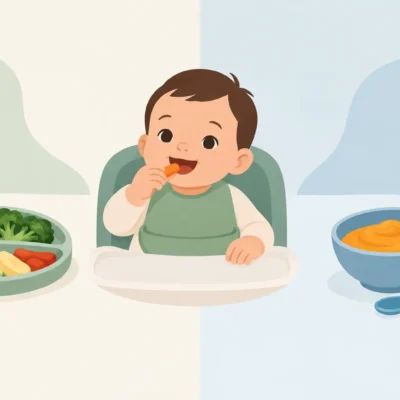
A late-night search for a better bottle, a gentler snack, or a postpartum comfort item is often where a purchase begins. For parents, convenience matters, but so does confidence. Reseller dropshipping can help entrepreneurs meet that need without keeping a room full of inventory – provided they build the business around trusted products, honest communication, and dependable fulfillment.
For moms returning to work, caregivers seeking flexible income, or aspiring merchants who already understand the daily realities of family life, the maternal and baby category can be a meaningful place to start. It is also a category where shortcuts carry real consequences. A delayed parcel is frustrating in any store; it feels much bigger when a family is waiting for feeding essentials or a product intended for a newborn.
What reseller dropshipping means in the baby category
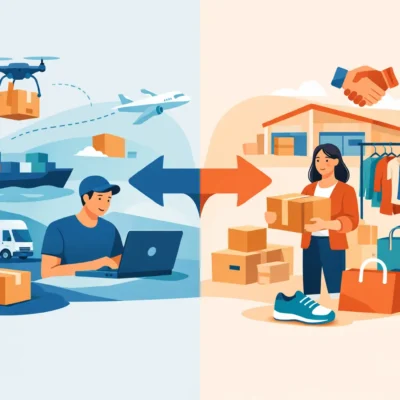
Reseller dropshipping is a retail model in which you promote and sell products to customers, while a supplier stores, packs, and ships the order directly to the buyer. You do not purchase and hold each item before it sells. Your role is to curate the assortment, set your retail price, create a trustworthy shopping experience, answer customer questions, and take responsibility for the relationship after checkout.
The wording varies by partner program. A reseller may receive approved product images, pricing guidance, and sales support. A dropshipper may send customer orders to a supplier for fulfillment. Some programs combine both roles. Before joining, ask exactly who handles inventory updates, shipping labels, returns, damaged items, customer service, and product recalls.
This distinction matters because your customer will see your store, your social account, or your name on the transaction. Even when a supplier ships the package, parents will come to you when something is missing, late, incorrect, or unsuitable.
Why this model can fit parents and family-focused sellers
The appeal is practical. Traditional retail often requires purchasing inventory upfront, finding storage space, packing orders, and accepting the risk that a product will not sell. Dropshipping lowers the inventory commitment, which can make it more realistic for someone beginning with a small budget or fitting work around school runs, feeding schedules, and family responsibilities.
It also allows a focused store to test demand. You might learn that your audience responds most strongly to toddler snacks, nursing-friendly essentials, or practical gifts for new parents. Rather than stocking dozens of items based on a guess, you can start with a carefully chosen range and improve it from real customer feedback.
Still, lower inventory risk does not mean a hands-off business. Your work shifts from managing boxes to managing trust. You need clear product information, responsive communication, accurate availability, thoughtful content, and enough margin to support the service you promise.
The opportunity is in curation, not a crowded catalog
Parents rarely need another store with thousands of unrelated items. They need help making a decision when they are tired, short on time, and trying to do right by their child. A narrow, useful assortment can be more valuable than a large catalog.
For example, a seller may focus on everyday infant feeding support, postpartum care items, or age-appropriate snacks for busy families. The best focus depends on your knowledge, your supplier’s strengths, and the needs of the community you serve. Avoid presenting products as medical solutions unless they are properly authorized and your claims are supported. Gentle, accurate language builds more trust than big promises.
How to start reseller dropshipping with care
Begin with the customer, not the product feed. Consider who you are serving and what moment you want to make easier. An expecting parent building a hospital bag has different needs from a parent packing daycare snacks. This clarity shapes your product choices, messages, and support.
Choose suppliers as carefully as you choose products
In baby and maternal retail, supplier vetting is not optional. Ask for current product specifications, ingredient lists where relevant, age guidance, safety information, fulfillment times, inventory update frequency, and return procedures. Order samples whenever possible. Handle the packaging, check the labeling, and see how the delivery experience feels from a customer’s point of view.
A responsible supplier should be able to explain where products come from and how they meet applicable U.S. requirements. Depending on the item, rules may involve the Consumer Product Safety Commission, Food and Drug Administration, or labeling standards. Products for sleep, feeding, skin care, food, and young children deserve especially close attention.
Do not sell products with unclear origins, missing labels, questionable safety claims, or vague expiration information. If a supplier cannot answer basic questions quickly, imagine the difficulty when a concerned parent needs help.
Build pricing around the full cost of care
Your revenue is the difference between what the customer pays and what it costs to supply the order, but the supplier price is only one part of that calculation. Account for shipping, payment processing, sales tax obligations, platform fees, returns, replacements, packaging options, and the time you spend supporting customers.
A very low price may attract attention, but it can leave no room to resolve a damaged delivery or offer thoughtful service. Compare similar products, understand your supplier’s minimum advertised pricing rules if they have them, and decide what level of support your margin can realistically fund.
Be transparent about delivery windows. Parents can accept a longer shipping time when they know about it before paying. They are much less likely to accept a surprise after an urgent order has already been placed.
Create product pages that answer real parent questions
A strong product page does more than repeat a supplier description. It tells a parent what the item is for, who it may suit, how to use it as directed, what is included, and when it is likely to arrive. Use clear photos and accurate dimensions. For food and wellness items, provide ingredient and allergen details supplied by the manufacturer, along with any age recommendations.
Do not bury important information in fine print. If an item is not returnable for hygiene or food-safety reasons, say so before checkout. If a color, flavor, or design may vary, state that plainly. Clarity protects both the family and your business.
The operations that protect your reputation
A reseller dropshipping business succeeds or fails in the moments after a sale. Set up a simple process for reviewing orders, tracking shipments, handling address changes, and responding to delivery concerns. Even if much of it is automated, someone needs to watch for exceptions.
Keep your customer service tone calm and warm. A parent who asks where an order is may be preparing for travel, managing a baby with feeding needs, or simply trying to plan the week. A prompt update, a direct answer, and a realistic next step are often more helpful than a scripted apology.
You should also have a recall plan before you need one. Know how your supplier will notify you, how you will identify affected customers, and how quickly you can pause listings. Maintain order records and product information in an organized system. This is basic business discipline, and it is particularly important in a category built on family well-being.
Growing without losing the personal touch
Once you have reliable demand, growth may come from adding complementary products, serving a more specific parenting stage, or partnering with communities that already support families. Educational content can help, too, when it is genuinely useful rather than just promotional. A short guide to packing snacks for daycare or selecting practical postpartum essentials can make shopping feel less overwhelming.
The strongest partner networks also make it easier to combine commerce with practical support. Flabee reflects this kind of approach by bringing parent guidance, care services, and curated essentials into one support ecosystem. For resellers, the lesson is simple: products earn attention, but useful support earns return customers.
As your store grows, monitor the numbers that reveal whether the experience is working: delivery times, stock-outs, refund reasons, repeat purchases, customer questions, and product reviews. If the same issue appears repeatedly, treat it as useful feedback rather than a problem to hide. You may need a different supplier, clearer wording, or a smaller, stronger assortment.
A thoughtful baby-products business does not have to begin with a warehouse. It can begin with a careful promise: to offer items you would feel comfortable recommending to a parent you love, and to stay present when they need help.