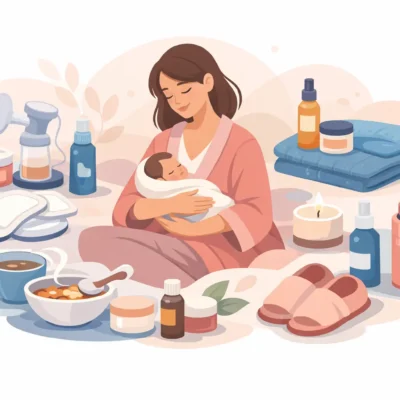
The first meal after birth may be crackers between feedings, a lukewarm hospital tray, or whatever someone can hand you with one free arm. That is completely understandable. Still, the best foods for postpartum recovery can make a meaningful difference in how supported you feel as your body heals, your energy shifts, and you learn your baby’s new rhythms.
Postpartum nutrition is not about eating perfectly or quickly changing your body. It is about giving your body steady building blocks for tissue repair, blood replenishment, digestion, hydration, and, if you are breastfeeding, milk production. Your needs may look different after a vaginal birth, a C-section, significant blood loss, or a complicated delivery. Start with food that is nourishing, easy to reach, and realistic for this season.
What Your Body Needs After Birth
Birth is physical work, and recovery continues long after you leave the delivery room. Protein supports healing. Iron helps replace blood loss. Fiber and fluids can make the first postpartum bowel movements more comfortable. Calcium, vitamin D, omega-3 fats, and a broad range of vitamins and minerals help support your overall health while sleep is short and your schedule is unpredictable.
If you are breastfeeding, your body also needs consistent energy. Many mothers feel hungrier than expected, especially during frequent newborn feeds. Rather than relying on one large meal, aim for regular meals and satisfying snacks that combine protein, carbohydrates, and healthy fats. A banana with peanut butter, yogurt with fruit, or toast with eggs can be more useful than waiting until you are starving.
Your clinician may recommend a postpartum vitamin, iron supplement, or other targeted support based on your delivery, bloodwork, and feeding plans. Food is a valuable foundation, but supplements can be necessary when iron levels are low or dietary intake is limited.
10 Best Foods for Postpartum Recovery
1. Eggs
Eggs are one of the easiest recovery foods to keep on hand. They provide complete protein, choline, vitamin B12, and vitamin D. Choline is especially helpful during breastfeeding because it supports infant brain development, while protein supports your own healing.
Hard-boiled eggs, scrambled eggs, egg bites, or a veggie omelet all work. Keep the preparation simple. Pair eggs with whole-grain toast and fruit for a fast breakfast that feels more substantial than coffee alone.
2. Salmon and other low-mercury fish
Salmon provides protein, vitamin D, and omega-3 fats, including DHA. DHA supports brain and eye health for babies, and it is also a nourishing choice for mothers during the postpartum period.
Aim for a variety of low-mercury seafood, such as salmon, sardines, trout, shrimp, or canned light tuna. If fish is not a regular part of your diet, start with a familiar option like salmon cakes or a simple salmon rice bowl. For personalized guidance, especially if you have dietary restrictions, ask your health care provider.
3. Lean beef, turkey, and chicken
Iron-rich animal proteins can be especially supportive after delivery, particularly if you lost a significant amount of blood. Beef provides highly absorbable heme iron, along with zinc and protein. Turkey and chicken are versatile choices for soups, sandwiches, grain bowls, and freezer-friendly meals.
Try pairing iron-rich foods with vitamin C foods, such as bell peppers, oranges, berries, or tomatoes. This helps your body absorb plant-based iron more effectively and can support a balanced recovery plate.
4. Beans, lentils, and chickpeas
For mothers who eat little or no meat, legumes are practical sources of protein, iron, folate, and fiber. They are also affordable, easy to store, and useful in meals the whole family can eat.
Lentil soup, black bean tacos, chickpea pasta, or hummus with pita are all gentle ways to include them. If beans make you feel bloated, begin with smaller portions, drink enough water, and choose well-cooked lentils or canned beans rinsed thoroughly.
5. Greek yogurt and cottage cheese
Dairy foods can offer protein and calcium in a form that requires almost no preparation. Greek yogurt is an especially convenient snack for late-night feeds or rushed mornings. Choose plain or lower-sugar options when possible, then add berries, oats, nuts, or a drizzle of honey for flavor.
Cottage cheese works well with fruit, tomatoes, crackers, or toast. If you do not eat dairy, look for fortified soy yogurt or another alternative that provides protein, calcium, and vitamin D.
6. Oats and whole grains
Oats are comforting, affordable, and easy to prepare ahead. They provide fiber and slow-digesting carbohydrates that may help you feel fuller and more steady through a busy morning. Overnight oats, baked oatmeal, or instant oats with nut butter are all useful postpartum options.
Brown rice, quinoa, whole-wheat pasta, and whole-grain bread offer similar benefits. Carbohydrates are not something to fear during recovery. Your body needs dependable energy, particularly when feeding a baby around the clock.
7. Leafy greens and colorful vegetables
Spinach, kale, broccoli, sweet potatoes, carrots, and bell peppers bring folate, vitamin C, vitamin A, fiber, and many other nutrients to your meals. They do not need to be elaborate. Frozen vegetables are just as practical and can reduce prep when your hands are full.
Add spinach to eggs, toss frozen broccoli into pasta, or roast a tray of sweet potatoes when someone is available to help. If raw salads feel unappealing or hard to digest right after birth, cooked vegetables, soups, and smoothies can be easier choices.
8. Berries, citrus, and dried fruit
Fruit provides fluid, fiber, and vitamin C, which supports collagen formation and iron absorption. Berries are easy to add to yogurt or oatmeal, while oranges and clementines are simple grab-and-go snacks.
Prunes and dried apricots can be particularly helpful if constipation is part of your recovery. Start slowly, since too much dried fruit at once may cause cramping or loose stools. A few prunes with water and a balanced meal is often a gentler approach.
9. Nuts, seeds, and nut butters
Almonds, walnuts, pumpkin seeds, chia seeds, and peanut butter offer healthy fats, protein, and minerals such as magnesium and zinc. They are ideal for snack baskets near the bed, nursing chair, or diaper station.
Choose single-serve packs or prepare small containers ahead of time if that makes eating easier. If you have a nut allergy or prefer another option, sunflower seed butter, tahini, and roasted chickpeas can provide a similar satisfying texture and nutrient boost.
10. Soups, stews, and broth-based meals
Warm, one-bowl meals are often a postpartum lifesaver. Soups and stews can combine protein, vegetables, grains, and fluids in a meal that is easy to eat when your appetite is low. Chicken and vegetable soup, lentil stew, chili, and bone broth with noodles are all comforting choices.
Broth alone is not a complete meal, so add ingredients with staying power. Think shredded chicken, beans, tofu, rice, potatoes, or vegetables. Freezing a few portions before birth, or accepting meals from loved ones, can make the early days feel much more manageable.
Build a Recovery Plate Without Overthinking It
A helpful formula is simple: include a protein, a fiber-rich carbohydrate, a fruit or vegetable, and a source of fat. For example, you might have oatmeal with Greek yogurt, berries, and walnuts. Lunch could be a chicken-and-rice bowl with avocado and roasted vegetables. Dinner could be lentil soup with whole-grain bread and a piece of fruit.
Hydration belongs in the picture too. Keep a large water bottle within reach wherever you feed or rest. Water, milk, soup, and caffeine-free beverages all count toward fluids. If you are breastfeeding, thirst can arrive suddenly, so making water visible and easy to refill is more effective than trying to remember it later.
There is no single food that guarantees milk supply or speeds healing overnight. Lactation cookies, teas, and specialty products may be enjoyable, but they cannot replace enough food, fluids, rest, and medical support. If you notice a sudden drop in supply, severe fatigue, dizziness, pain, fever, heavy bleeding, or worsening sadness or anxiety, contact your health care provider promptly.
Make Nourishment Easier to Accept
The postpartum period is not the time to prove you can do everything alone. Let a partner, friend, or family member stock the refrigerator, wash produce, portion snacks, or bring a meal with protein and vegetables. Keep convenient staples visible: yogurt, cheese sticks, fruit, soup, trail mix, whole-grain crackers, and frozen meals with recognizable ingredients.
Flabee is designed to be a mummy’s must-have companion through the everyday moments that follow birth, from practical wellness guidance to support that helps parents spend less time searching and more time caring for themselves and their baby.
Your recovery does not need to look picture-perfect to be well supported. One nourishing snack, one filled water bottle, and one warm meal at a time is a caring place to begin.