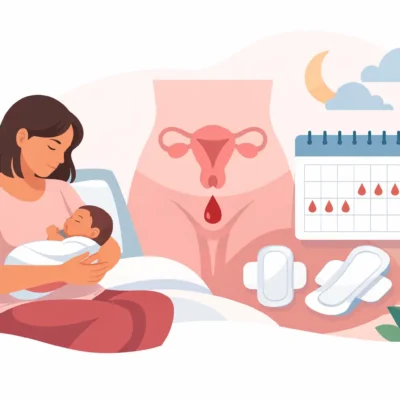
The hospital bag is unpacked, the baby may finally be asleep, and then you notice how much your own body is asking for. The best postpartum self care products are not about creating a picture-perfect recovery routine. They are practical tools that can make feeding, resting, bathing, moving, and healing feel a little more manageable when your attention is being pulled in every direction.
Every postpartum experience is different. A vaginal birth, a C-section, significant tearing, breastfeeding, formula feeding, anxiety, sleep loss, and a busy household can all change what feels most useful. Start with the products that meet your immediate needs, then add comforts that help you feel cared for as the days settle into a new rhythm.
Best Postpartum Self Care Products to Keep Within Reach
1. Perineal rinse bottle
A peri bottle is one of the simplest and most helpful items after a vaginal birth. Filled with warm water, it lets you rinse gently after using the bathroom rather than relying on wiping alone. That can reduce stinging and make those early trips to the bathroom feel less intimidating.
Choose a bottle with an angled nozzle if you can, since it is easier to use while seated. Keep it in the bathroom from day one, and ask your maternity care provider for guidance if you have stitches, worsening pain, odor, fever, or concerns about how healing is progressing.
2. Cooling pads and witch hazel liners
Postpartum swelling and soreness can make sitting, standing, and even walking uncomfortable. Cooling pads offer brief relief, while witch hazel liners can feel soothing for hemorrhoids or tender tissue. They are especially useful in the first several days after delivery.
A trade-off worth knowing: some people love a very cold pad, while others find the sensation too intense on sensitive skin. Try a single product first instead of stocking up on several varieties. Unscented options are usually the gentler choice for a healing area.
3. Comfortable, high-waisted postpartum underwear
Postpartum bleeding, known as lochia, can continue for several weeks, so soft and reliable underwear matters more than it may seem. High-waisted disposable underwear can feel secure in the early days, particularly overnight. Reusable cotton pairs are a good next step once bleeding is lighter and you want something softer for everyday wear.
If you had a C-section, look for underwear that sits well above your incision without tight elastic. The right fit should make you forget it is there, not remind you of your surgery every time you sit down.
4. Extra-absorbent postpartum pads
Regular period pads are often not enough for the first days of postpartum bleeding. Longer, more absorbent postpartum pads provide protection while allowing the body room to heal. Keep a small basket in the bathroom and another near your bed or feeding station, especially if stairs are part of your home.
Call your care team promptly if you soak through a pad in an hour, pass very large clots, feel faint, or notice bleeding that suddenly becomes much heavier. Products can support comfort, but they should never replace medical attention when something feels wrong.
5. Nursing pads and nipple balm
Whether you are exclusively breastfeeding, pumping, combination feeding, or still deciding what works for your family, breast care products can reduce a lot of small frustrations. Reusable or disposable nursing pads help with leaking, while a breastfeeding-safe nipple balm may ease dryness and friction.
Nipple pain is common in the beginning, but severe pain, cracked or bleeding nipples, fever, or breast redness deserve professional support. A lactation consultant can assess positioning, latch, pumping fit, and feeding patterns in a way that a product alone cannot.
6. A supportive nursing pillow
Feeding can take up many hours in the first few weeks. A supportive nursing pillow can bring baby closer to breast or bottle height, which may ease strain in your shoulders, wrists, and lower back. It is also useful for supported cuddle time when another adult is nearby.
The best shape depends on your body and where you feed most often. Some parents prefer a firm wraparound pillow, while others do well with ordinary bed pillows arranged around them. Comfort and safe positioning matter more than buying the most elaborate option.
7. A large insulated water bottle
Hydration is one of the least glamorous forms of postpartum care, yet it is easy to overlook when you are feeding or holding a baby for long stretches. A large water bottle with a straw lid lets you drink one-handed, which is surprisingly valuable during contact naps and late-night feeds.
Place one wherever you regularly sit: by the bed, sofa, nursery chair, and workstation if you are returning to remote work. If plain water is unappealing, add fruit or consider an electrolyte drink occasionally, especially after heavy sweating or if your clinician recommends it.
8. Easy, nourishing snacks
Recovery requires energy, but full meals are not always available at the exact moment hunger arrives. Keep shelf-stable snacks with protein, fiber, and satisfying carbohydrates near your feeding area. Think nut butter crackers, trail mix, oatmeal cups, roasted chickpeas, dried fruit, or simple snack bars you genuinely enjoy.
This is not a time to pressure yourself into a restrictive eating plan. Your body is recovering from birth and may also be producing milk. Regular food, enough fluids, and help from others with meal preparation are more useful than chasing a perfect postpartum diet.
9. A gentle stool softener, if recommended
Constipation can be especially uncomfortable after birth, whether you had a vaginal delivery or a C-section. Hormonal changes, pain medication, dehydration, and fear of discomfort can all contribute. Your obstetric provider may recommend a stool softener, along with water, fiber-rich foods, and gentle movement when you are cleared for it.
Do not choose medication based only on a friend’s experience or a social media recommendation. Ask what is appropriate for your health history, delivery, and feeding plan.
10. A sitz bath or simple warm soak setup
Warm water can offer welcome relief for perineal soreness. Some parents use a sitz bath that fits over the toilet; others prefer a shallow soak in a clean tub once their provider says it is appropriate. Keep the routine simple, and avoid heavily fragranced bath products that could irritate sensitive healing tissue.
For C-section recovery, follow your surgical team’s directions carefully about bathing and incision care. The goal is comfort without interfering with the healing plan you were given.
11. Scar-friendly C-section essentials
If you had a C-section, practical comfort often begins with loose clothing, high-rise underwear, a small pillow for coughing or laughing, and an easy-to-reach place for supplies. Once your provider confirms the incision has healed sufficiently, they may discuss scar care options such as silicone sheets or gel.
Do not apply new products directly to an incision that is open, draining, increasingly red, or unusually painful. Those signs should be checked by a medical professional rather than covered up with a wellness product.
12. A small recovery basket that stays with you
The most useful product may be a simple basket that prevents you from getting up every 10 minutes. Fill it with water, snacks, lip balm, tissues, nursing pads, a phone charger, medications you have been prescribed, and anything else you reach for during feeds.
This is where an all-in-one support platform for parents can make a real difference. Flabee helps mothers bring everyday care closer together, from practical wellness guidance to trusted essentials, so fewer tasks have to compete for attention during recovery.
How to Choose Postpartum Products Without Overbuying
It is easy to see a long checklist and feel that you need everything before baby arrives. You do not. A thoughtful starter set usually covers hygiene, bleeding, comfort, hydration, feeding support, and easy nourishment. Add more only after you understand your body’s needs and your baby’s routines.
Consider where you will recover, too. If you live in a smaller space, choose products that are compact and multipurpose. If you have two floors, duplicate only the basics in a second location. If family or friends ask what they can do, asking them to restock snacks, pads, and household supplies can be more helpful than another newborn outfit.
Be mindful of scents and ingredients. Postpartum skin can be sensitive, babies spend a lot of time close to your chest, and strongly fragranced products may not feel good right now. Simple, unscented, easy-to-use choices are often the best place to begin.
When Self Care Needs More Support
Postpartum self care includes knowing when to reach beyond the product basket. Contact your care team urgently for heavy bleeding, chest pain, trouble breathing, severe headache, vision changes, fever, worsening incision pain, or one-sided leg swelling. Reach out promptly for persistent sadness, panic, hopelessness, intrusive thoughts, or feeling unable to care for yourself or your baby.
You deserve care that is as attentive as the care you give. Let the water bottle be filled by someone else. Accept the meal. Take the shower while another trusted adult holds the baby. A few useful products can soften the hard edges of postpartum life, but being supported is what helps you make room to heal.