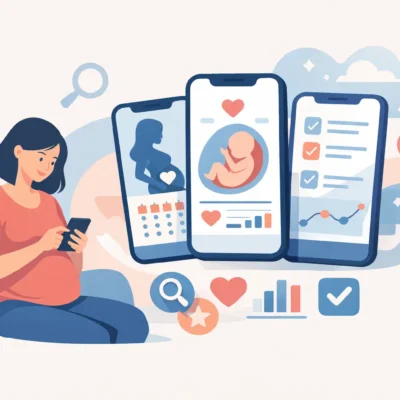
Your due date may be months away, but pregnancy has a way of making every week feel full: a new symptom, a scan to remember, a question for your provider, and another item to prepare before baby arrives. The best pregnancy tracking apps can give that busy mental checklist a comfortable home, helping you follow your changing body, understand baby’s development, and keep everyday care organized.
A good app should feel reassuring, not overwhelming. Some parents want detailed daily updates and a place to log every symptom. Others only need a clear week-by-week view, appointment reminders, and trustworthy reading when a new question comes up. The right choice depends on how you like to plan, what information makes you feel supported, and how much privacy you want around your health data.
What Makes a Pregnancy App Worth Keeping?
The most useful pregnancy apps do more than show the size of a fruit each week. They turn scattered information into practical support. Look for an estimated due date calculator, week-by-week fetal development updates, symptom or weight tracking, appointment planning, and content reviewed by qualified health professionals.
It also helps when an app supports the transition beyond birth. Pregnancy does not end at delivery, and many parents appreciate having feeding logs, postpartum recovery guidance, newborn milestones, or shopping support in the same place. Still, an app is a companion, not a substitute for prenatal care. Call your maternity care provider promptly for concerning symptoms, including heavy bleeding, severe pain, trouble breathing, sudden swelling, a severe headache, or reduced fetal movement later in pregnancy.
12 Best Pregnancy Tracking Apps to Consider
1. Flabee
Flabee is designed as an all-in-one support platform for parents who want care and convenience to sit closer together. Alongside pregnancy and baby tracking tools, it brings together guidance, appointment access, maternal wellness services, and baby essentials. That can be especially helpful when you are managing prenatal needs now while also preparing for postpartum recovery and infant feeding.
It is a strong fit for moms who prefer one familiar place for everyday support rather than switching between a tracker, a store, and separate care services.
2. What to Expect
What to Expect is a familiar choice for its week-by-week pregnancy updates, broad educational library, and active parent community. Its content is easy to browse when you have a quick question about common symptoms, tests, or baby development.
The trade-off is that community conversations can offer many opinions at once. They can be comforting, but they should never outweigh advice tailored to you by your own provider.
3. Pregnancy+
Pregnancy+ is known for polished visuals, daily and weekly development information, and practical planning features. Parents who enjoy seeing detailed illustrations of fetal growth may find it especially engaging. It also offers tools that can help organize birth preferences and baby preparation.
This app is a good match if visual learning keeps you connected to the changes happening each week. If you prefer a more minimal screen and fewer prompts, its rich design may feel like more information than you need.
4. The Bump
The Bump combines pregnancy updates with planning content for life with a newborn. It can be useful for parents building a registry, thinking about baby names, or looking ahead to common milestones. The tone is friendly and approachable, which can make complicated topics feel less intimidating.
Its shopping and planning focus is useful when you are ready to prepare. Early in pregnancy, though, you may prefer to focus first on your health, rest, and prenatal appointments.
5. BabyCenter
BabyCenter has long been a popular resource for weekly pregnancy guidance and parent discussion groups. The app offers developmental updates, articles across pregnancy and early parenting, and a chance to connect with people who have similar due dates.
For some moms, those groups create a welcome sense of community. For others, too many birth stories or symptom discussions can raise anxiety. Use the sections that help you feel calmer and skip the rest without guilt.
6. Ovia Pregnancy
Ovia Pregnancy offers personalized tracking based on your due date and profile, with daily updates and health-related logs. It may appeal to parents who want to record symptoms, nutrition, activity, and questions over time rather than relying on memory at each appointment.
Before entering personal health details into any tracker, review the privacy settings and data policy. Choose the sharing options that feel right for you and your family.
7. Glow Nurture
Glow Nurture is built around pregnancy tracking, health logs, and personalized content. Its journal-style approach can be helpful if you want to notice patterns in nausea, sleep, mood, or other symptoms between visits.
Detailed logging is not necessary for everyone. If tracking starts to make you worry more, scale back to the information your care team has asked you to monitor.
8. Flo
Flo is widely recognized for cycle tracking, and it also includes pregnancy mode for people who already use the app before conception. Staying with one familiar app can make the transition from trying to conceive to pregnancy feel simple.
Its best value may be for users who want continuity in their records. Be mindful that pregnancy guidance should be adapted to your personal health history, especially if you have a high-risk pregnancy or existing medical conditions.
9. Clue
Clue is another app many people know from cycle tracking. Its clean, data-centered format can suit users who prefer straightforward logging over lots of lifestyle content. For those who value a calm interface and want to keep a record of body changes, that simplicity is a real advantage.
It may not provide the same depth of baby-prep or parenting features as pregnancy-first apps. Think of it as a focused tracking option rather than a complete maternity support hub.
10. Sprout Pregnancy
Sprout Pregnancy is often chosen for its visual development tools and practical tracking features. It can make weekly progress feel more tangible, particularly for first-time parents who want a clear sense of what is changing and when.
Visuals are helpful for connection, but they are general illustrations. Every pregnancy develops on its own timeline, so your scans and provider conversations remain the most personal source of information.
11. HiMommy!
HiMommy! takes a warm, conversational approach, often sharing daily messages about pregnancy progress. It can be a lovely option for moms who want a small moment of encouragement each day without needing to study a long article or fill in extensive logs.
This gentle style is not ideal if you want detailed health tracking or planning tools. It works best as an emotional check-in alongside a more practical system for appointments and questions.
12. WebMD Pregnancy
WebMD Pregnancy can be useful for parents who want accessible articles about symptoms, prenatal health, and common questions. Its familiar health-information format may feel reassuring when you need a quick overview before deciding whether to contact your provider.
As with any health resource, avoid using an app to self-diagnose. If something feels different, painful, or worrying, trust that instinct and ask for professional guidance.
How to Choose Between the Best Pregnancy Tracking Apps
Start with the one problem you most want an app to solve. If you regularly forget questions for appointments, choose an app with notes and reminders. If you want to understand each week of development, prioritize clear educational updates. If preparing for birth and baby care feels like the bigger challenge, look for support that connects guidance with services and essentials.
Then check how the app handles privacy, notifications, and costs. A free app may include ads or optional paid features. A subscription can be worthwhile if you use the tools often, but it is not automatically better. The best app is the one that gives you useful support without adding financial pressure or digital noise.
You do not need to track everything. Pick a few meaningful details, such as symptoms, fetal movement when your provider recommends monitoring it, appointments, and questions you want to ask. Let the app carry the small things so you have more room to care for yourself.
Pregnancy can bring a lot of advice from every direction. Keep the tools that help you feel informed, organized, and gently supported, and leave behind anything that makes this season feel heavier than it needs to be.