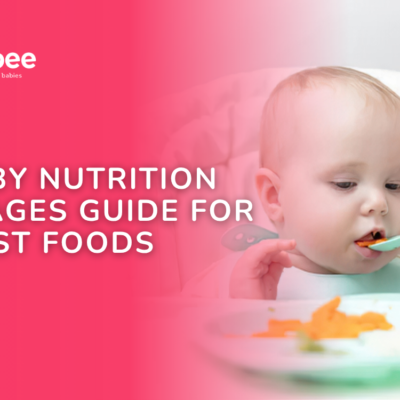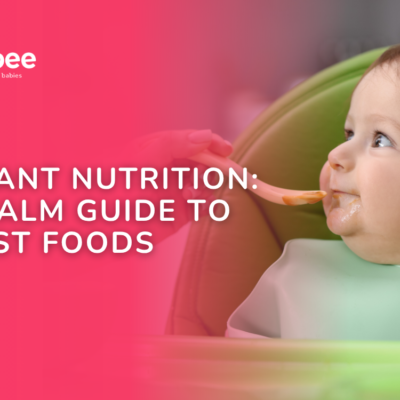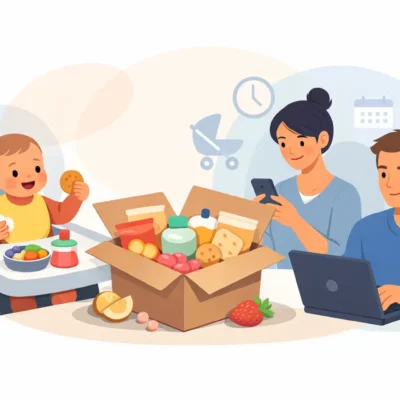
The first time your baby watches every bite you take, reaches for your food, or seems hungry again soon after a milk feed, it is natural to wonder: when should babies start snacks? The reassuring answer is that snacks are not a race or a required milestone at a particular birthday. They become useful when your baby is ready for solid foods, is eating meals with growing confidence, and has room in their day for more than milk without replacing the nutrition they still need from breast milk or formula.
For most babies, that progression begins around 6 months. But readiness, appetite, growth, and family routines matter more than a number on the calendar.
When Should Babies Start Snacks?
Many babies begin trying solid foods at about 6 months old, while breast milk or infant formula remains their main source of nutrition through the first year. At this stage, meals are largely about learning: tasting new flavors, practicing chewing movements, and becoming comfortable sitting with the family.
A separate snack is often not needed right away. In the early months of solids, one or two small meals alongside regular milk feeds may be plenty. As babies become more active and reliably eat meals, many families find that one planned snack fits naturally between meals somewhere around 8 to 10 months. Others do not need one until closer to 12 months.
Think of a snack as a small eating opportunity, not a mini meal and not a way to pressure a baby to eat. If your baby is content, growing as expected, and drinking their usual milk feeds, there is no need to add snacks simply because another baby the same age has them.
Signs your baby is ready for food beyond milk
Before offering meals or snacks, look for developmental signs rather than relying on age alone. Your baby should be able to sit upright with minimal support, have steady head and neck control, and show interest in food. They should also be able to bring food toward their mouth and swallow it rather than automatically pushing it out with their tongue.
A baby who can manage soft foods at meals and seems genuinely hungry between their usual feeds may be ready for a snack. Hunger can look like increased fussiness, eagerly finishing meals, or reaching for food, but it can also have other causes. Teething, tiredness, and a change in routine can all make babies unsettled. Offer milk, rest, or comfort first when you are unsure.
If your baby was born prematurely, has trouble gaining weight, has feeding difficulties, or has a medical condition affecting swallowing or digestion, ask their pediatrician for individualized timing. For premature babies especially, readiness may be considered using their corrected age alongside their developmental skills.
Milk Still Comes First in the First Year
Snacks should add practice and nourishment, not crowd out breast milk or formula. For babies under 12 months, breast milk or iron-fortified formula continues to provide key calories, fats, vitamins, and hydration.
A helpful rhythm is to offer milk feeds as usual, then serve meals and snacks at predictable times when your baby is alert and comfortably hungry. Avoid giving a snack immediately before a planned milk feed if it regularly causes your baby to drink much less milk. On the other hand, there is no need to follow a perfect schedule down to the minute. Babies’ appetites vary from day to day, especially during growth spurts and illness.
Water can be offered in a small open cup with meals once solids begin. It is for practice and a few sips, not a replacement for breast milk or formula. Juice, sweet drinks, and sweetened toddler beverages are not needed.
What Does a Good Baby Snack Look Like?
The best first snacks are soft, simple, and easy for a baby to grasp or swallow safely. They can be a familiar food from a meal offered in a smaller amount. A snack does not have to come in a pouch, wrapper, or special baby-food package to count.
For a baby who is still learning to eat, try a few spoonfuls of plain full-fat yogurt, mashed avocado, soft ripe banana, well-cooked sweet potato, or oatmeal. Once your baby is comfortable with soft finger foods, options can include tender strips of scrambled egg, very soft pear slices, shredded chicken, beans lightly mashed, or toast fingers spread thinly with a smooth nut butter thinned with water or mixed into yogurt.
Iron-rich choices deserve a regular place in your baby’s routine. Around 6 months, babies’ iron stores begin to decrease, and foods such as meat, beans, lentils, egg, iron-fortified cereal, and tofu can help support their needs. Pairing plant-based iron foods with fruits or vegetables containing vitamin C, such as strawberries, mango, tomatoes, or broccoli, can support iron absorption.
Portion sizes can be surprisingly small. Start with one or two tablespoons of a soft food, or a couple of appropriately cut pieces, and let your baby decide whether they want more. Your job is to offer balanced choices and a calm setting. Your baby’s job is to notice hunger and fullness.
Texture matters more than the label
A food marketed as a baby snack is not automatically the best choice. Some packaged snacks are highly processed, low in nutrients, or easy to eat without much chewing. They can be convenient on a busy day, but they should not become the only texture your baby experiences.
Offering a variety of safe textures helps babies build oral-motor skills and confidence with food. Progress gradually from smooth purees and mashed foods to lumpy, soft foods and tender finger foods. Stay nearby and watch your baby eat every time, especially while they are still learning.
Safe Snacking: Prevent Choking and Build Confidence
Babies should always eat sitting upright in a high chair or another secure seat, with an attentive adult within arm’s reach. Eating while crawling, lying down, riding in a stroller, or in the car raises choking risk.
Avoid hard, round, sticky, or slippery foods that can block a small airway. Whole grapes and cherry tomatoes should be cut lengthwise into quarters. Nuts, popcorn, hard candy, chunks of raw apple or carrot, spoonfuls of sticky nut butter, marshmallows, and coin-shaped sausages are not safe for babies. Cook firm produce until soft, grate it finely when appropriate, or modify the shape before serving.
Gagging and choking are different. Gagging is noisy and can be a normal protective reflex as babies learn to manage food. Choking may be silent or involve trouble breathing, a weak cough, or a change in color. Every caregiver should know infant choking first aid and seek emergency help immediately if a baby cannot breathe or respond normally.
Food safety matters, too. Do not give honey before 12 months, including honey added to baked goods or drinks, because of the risk of infant botulism. Avoid unpasteurized milk, juice, cheese, or eggs; high-mercury fish; and foods with added salt or sugar. Cow’s milk can be used in cooking or mixed into foods in small amounts after 6 months, but it should not replace breast milk or formula as a main drink before age 1.
Introducing Allergens at Snack Time
Snack time can be a practical moment to introduce common allergens, including peanut, egg, dairy, wheat, soy, sesame, fish, shellfish, and tree nuts in safe forms. Current guidance generally supports introducing these foods once a baby is developmentally ready for solids, rather than delaying them without a medical reason.
Offer one new allergenic food in the morning or early afternoon when you can observe your baby. Use a small amount and choose a safe texture, such as smooth peanut butter thinned into puree, finely ground nut powder mixed into yogurt, or well-cooked egg. Once tolerated, offer the food regularly as part of your family’s normal routine.
Talk with your pediatrician before introducing peanut or other allergens if your baby has severe eczema, an existing food allergy, or a previous reaction to food. Seek urgent medical care for symptoms such as trouble breathing, swelling of the face or lips, repeated vomiting, widespread hives, or unusual lethargy after eating.
Creating a Snack Rhythm That Works for Your Family
A simple routine can make feeding feel less like a daily puzzle. For an older baby, breakfast, lunch, dinner, and one snack may be enough. As your child approaches toddlerhood, two snacks can be helpful on longer days. The goal is not constant grazing. Predictable eating times help children arrive at meals with an appetite and give parents a clearer sense of what is working.
Keep snacks calm and screen-free when possible. Sit with your baby, offer a small choice, and allow them to touch, smell, and sometimes reject the food. It may take many exposures before a new flavor feels familiar. A messy face and food on the floor are often signs of learning, not failure.
Flabee can be your mummy’s must-have companion as feeding changes week by week, helping you keep everyday care organized while you choose practical foods that suit your baby’s stage. Start small, stay close while your baby eats, and let their readiness guide the next bite.